
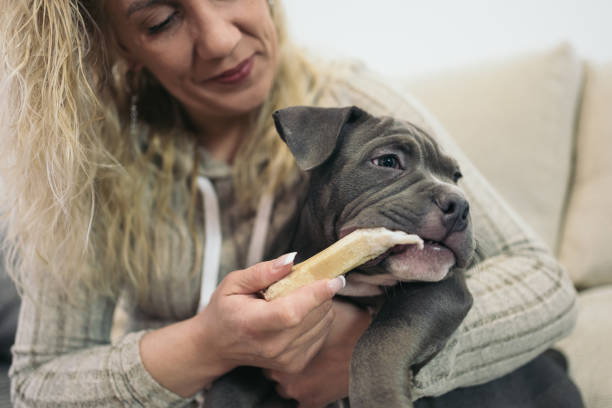
Welcoming a bully breed into your home can be a fulfilling experience, especially for first-time dog owners. These dogs are known for their loyalty, intelligence, and affectionate nature. However, without proper preparation and understanding, new owners may unintentionally develop habits that lead to behavioral issues.
One of the most overlooked aspects is effective DOG TRAINING, which plays a critical role in shaping a well-mannered and confident dog. This article explores the most common mistakes first-time bully owners make and offers practical guidance to help you avoid them.
Understanding Bully Breeds
Bully breeds are strong, intelligent, and people-oriented dogs. They thrive in environments where they receive consistent guidance and attention.
For first-time owners, it is essential to understand that these dogs require:
- Structured routines
- Early training
- Regular physical activity
- Social interaction
Without these elements, even the most well-intentioned owner may struggle with behavioral challenges.
Why Preparation Matters for First-Time Owners
Preparation goes beyond buying supplies or setting up a sleeping area. It involves understanding your dog’s needs and committing to consistent DOG TRAINING practices.
Many first-time dog owner mistakes stem from a lack of planning, which can lead to confusion for both the owner and the dog. Establishing a routine early on helps prevent long-term issues.
Breeders like OZ BORN Kennels often emphasize educating new owners about responsible care and realistic expectations before bringing a puppy home.
Common Mistakes First-Time Bully Owners Make
1. Skipping Early Dog Training
One of the most significant mistakes is delaying training. Puppies begin learning from the moment they enter your home.
Without early DOG TRAINING, you may encounter:
- Unwanted chewing
- Excessive barking
- Difficulty following commands
Training should begin with basic commands such as sit, stay, and recall. Short, consistent sessions are more effective than occasional long ones.
2. Inconsistent Rules and Boundaries
Dogs rely on consistency to understand expectations. Allowing certain behaviors one day and discouraging them the next creates confusion.
Examples include:
- Letting the dog on furniture sometimes but not always
- Feeding from the table occasionally
- Ignoring unwanted behavior instead of correcting it
Consistency is essential for effective DOG TRAINING and long-term discipline.
3. Lack of Proper Socialization
Socialization helps your dog adapt to different environments, people, and animals.
Without it, your dog may become:
- Fearful in new situations
- Reactive toward strangers or other pets
- Overly protective
Early exposure to controlled environments is key. OZ BORN Kennels highlights the importance of early socialization as part of responsible breeding and ownership.
4. Improper Diet and Exercise
Bully breeds require a balanced diet and regular physical activity. Overfeeding or under-exercising can lead to health and behavioral issues.
Common problems include:
- Weight gain
- Low energy levels
- Destructive behavior due to boredom
Daily walks and playtime should be part of your routine.
5. Ignoring Mental Stimulation
Physical exercise alone is not enough. Bully breeds are intelligent and need mental engagement.
Activities such as:
- Puzzle toys
- Basic obedience training
- Interactive games
These help prevent boredom and improve focus during DOG TRAINING sessions.
6. Misunderstanding Behavior
First-time owners may misinterpret natural behaviors as disobedience.
For example:
- Chewing can be a sign of teething
- Barking may indicate boredom or alertness
- Jumping often reflects excitement
Understanding these behaviors allows you to respond appropriately rather than react negatively.
Importance of Routine and Structure
A structured daily routine helps your dog feel secure and reduces anxiety.
A balanced routine includes:
- Feeding at the same time each day
- Scheduled walks
- Regular training sessions
- Designated rest periods
Consistency in routine supports effective DOG TRAINING and reinforces positive behavior.
Training and Care Comparison Table
| Aspect | Common Mistake | Recommended Approach |
|---|---|---|
| Training | Delaying sessions | Start early with basic commands |
| Discipline | Inconsistent rules | Maintain clear boundaries |
| Socialization | Limited exposure | Gradual introduction to new environments |
| Exercise | Irregular activity | Daily walks and playtime |
| Mental Stimulation | Ignored | Use interactive toys and training |
Role of Responsible Breeders
A responsible breeder plays an important role in preparing both the puppy and the owner.
OZ BORN Kennels focuses on early exposure, basic handling, and guidance for new owners. This initial foundation makes it easier for first-time owners to continue training at home.
Choosing a breeder who values early development can significantly reduce common challenges faced by new owners.
Tips for Successful Dog Training at Home
Start Small
Focus on one command at a time and build gradually.
Use Positive Reinforcement
Reward good behavior with treats, praise, or playtime.
Be Patient
Training takes time and consistency.
Avoid Punishment-Based Methods
Negative reinforcement can lead to fear and confusion.
Stay Consistent
Use the same commands and tone to avoid mixed signals.
OZ BORN Kennels encourages owners to maintain consistency between breeder guidance and home training practices.
Conclusion
Owning a bully breed for the first time comes with both challenges and rewards. By understanding common mistakes and focusing on consistent DOG TRAINING, you can create a positive environment that supports your dog’s development.
From early socialization to maintaining a structured routine, every step plays a role in shaping your dog’s behavior. Breeders like OZ BORN Kennels provide a strong starting point, but ongoing effort at home is essential.
If you need guidance on raising and training your bully puppy, feel free to contact us at OZ BORN Kennels for reliable support and information.
FAQs
What is the biggest mistake first-time bully owners make?
Skipping early DOG TRAINING is one of the most common mistakes, as it leads to long-term behavioral issues.
How often should I train my bully puppy?
Daily sessions of 10 to 15 minutes are ideal for maintaining focus and consistency.
Is socialization necessary for bully breeds?
Yes, proper socialization helps prevent fear-based behaviors and improves adaptability.
Can I train my dog at home without a professional trainer?
Yes, with consistency and patience, most basic training can be done at home.
How do I correct unwanted behavior?
Redirect the behavior and reinforce positive alternatives rather than using punishment.