
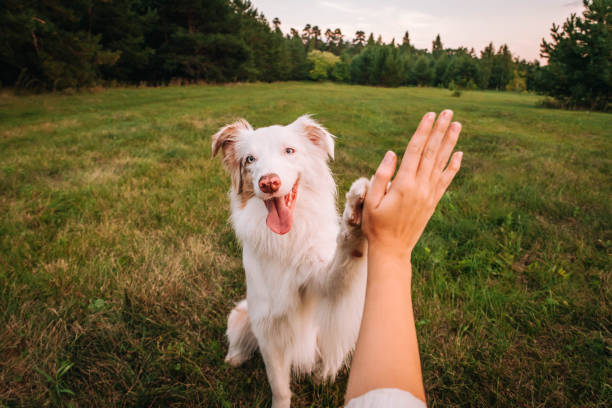
Bringing home a new dog is an exciting experience, but it also comes with responsibility. One of the most important responsibilities is proper dog training. Teaching your dog basic obedience skills helps create a safe, positive, and enjoyable relationship between pets and owners. Whether you have a young puppy or an older rescue dog, obedience training lays the foundation for good behaviour and long-term companionship.
For many first-time owners, understanding where to begin can feel overwhelming. This guide explains the basics of dog obedience training, essential commands, common mistakes, and practical puppy training tips that help new owners build confidence and consistency.
Why Dog Obedience Training Matters
Dog obedience training is about more than teaching commands. It improves communication between dogs and owners while helping dogs understand boundaries and expectations.
A well-trained dog is generally easier to manage in public places, around guests, and during daily routines. Training also helps reduce unwanted behaviours such as excessive barking, jumping, chewing, or pulling on the leash.
Some key benefits of dog training include:
- Better communication between owner and dog
- Improved safety during walks and social situations
- Reduced stress and anxiety for pets
- Stronger trust and bonding
- Increased confidence in new environments
At OZ BORN Kennels, training is considered an essential part of responsible dog ownership because it supports both behavioural development and socialisation.
When to Start Dog Training
Many people assume training should begin only after a puppy grows older, but early training is often the most effective. Puppies can start learning simple behaviours and routines as early as eight weeks old.
However, older dogs can also learn successfully with patience and consistency. The idea that older dogs cannot adapt to new training methods is incorrect.
Puppy Training
Young puppies learn quickly and are highly receptive to routine-based learning. Early puppy training tips often focus on:
- House training
- Name recognition
- Basic commands
- Leash introduction
- Socialisation
Adult Dog Training
Adult dogs may require more patience, especially if they have developed habits over time. However, structured dog obedience training still produces positive results when approached consistently.
Essential Dog Training Principles
Before teaching commands, new owners should understand the basic principles that make dog training effective.
Consistency
Consistency is one of the most important aspects of dog obedience training. Dogs learn through repetition and predictable patterns. If commands or rules constantly change, training becomes confusing.
For example, if one family member allows jumping while another discourages it, the dog receives mixed signals.
Positive Reinforcement
Positive reinforcement involves rewarding desired behaviour instead of punishing mistakes. Rewards can include:
- Treats
- Praise
- Toys
- Affection
This method encourages dogs to repeat behaviours associated with positive experiences.
Patience and Repetition
Dogs learn at different speeds. Some commands may take days or weeks to master. Repetition helps reinforce learning while patience prevents frustration during the process.
Keep Sessions Short
Short training sessions are usually more effective than long sessions. Most dogs maintain focus for 10 to 15 minutes at a time, especially puppies.
OZ BORN Kennels recommends multiple short sessions throughout the day to improve retention and maintain engagement.
Basic Commands Every Dog Should Learn
Teaching foundational commands creates structure and improves daily communication.
Sit
The “sit” command is often the first step in obedience training. It helps manage excitement and encourages calm behaviour.
To teach sit:
- Hold a treat near the dog’s nose.
- Slowly move the treat upward.
- As the dog follows the treat, the body naturally lowers into a sitting position.
- Reward immediately once seated.
Stay
The stay command teaches patience and impulse control. Start with short durations and gradually increase the distance and time.
Come
Reliable recall is important for safety. The “come” command helps prevent dangerous situations when dogs are off-leash or distracted.
Always reward your dog enthusiastically when they return after being called.
Leave It
This command prevents dogs from picking up harmful or unwanted objects.
Teaching impulse control through “leave it” can reduce accidents and unsafe behaviour.
Heel
Heel training teaches dogs to walk calmly beside their owners without pulling on the leash.
This command is especially useful during walks in busy areas.
Common Dog Training Mistakes to Avoid
Many new owners unintentionally slow progress by making avoidable mistakes.
Inconsistent Commands
Using different words for the same behaviour creates confusion. For example, switching between “come here” and “come now” may delay learning.
Choose one command and use it consistently.
Punishment-Based Methods
Harsh corrections or punishment-based training can damage trust and increase anxiety. Positive reinforcement generally produces more reliable long-term results.
Long Training Sessions
Overly long sessions can lead to boredom and frustration. Short, focused sessions improve attention and motivation.
Ignoring Socialisation
Dogs that lack proper social exposure may become fearful or reactive. Introducing dogs to different people, sounds, and environments is an important part of dog training.
Training Tools for Beginners
Using the right tools can support effective obedience training.
| Training Tool | Purpose | Best For |
|---|---|---|
| Standard Leash | Walking control | Daily walks |
| Flat Collar | Identification and control | General use |
| Training Treats | Positive reinforcement | Reward-based learning |
| Clicker | Marking desired behaviour | Precision training |
| Crate | Safe resting space | House training |
Selecting appropriate equipment helps create a structured and safe learning environment.
At OZ BORN Kennels, beginner-friendly tools are often recommended to simplify the early stages of obedience training.
Sample Weekly Dog Training Schedule
Creating a routine helps dogs understand expectations and develop consistency.
| Day | Morning | Afternoon | Evening |
|---|---|---|---|
| Monday | Sit and Stay | Leash walking | Socialisation |
| Tuesday | Recall practice | Crate training | Play-based rewards |
| Wednesday | Leave It command | Short walk | Review commands |
| Thursday | Sit and Heel | Social exposure | Relaxation exercises |
| Friday | Recall games | Basic obedience | Calm indoor behaviour |
| Saturday | Outdoor walk | Training review | Reward session |
| Sunday | Light practice | Free play | Routine reinforcement |
Short and regular sessions are generally more effective than occasional long sessions.
The Importance of Socialisation
Socialisation is an essential part of dog obedience training. Dogs exposed to different environments, sounds, people, and animals are often more confident and adaptable.
Proper socialisation may help reduce:
- Fear-based reactions
- Anxiety around strangers
- Aggression caused by insecurity
- Excessive barking
New owners should introduce dogs gradually to various experiences while ensuring positive interactions.
Puppies are especially receptive to socialisation during early development stages, but adult dogs can also benefit from controlled exposure.
Building Good Behaviour at Home
Training should continue beyond formal sessions. Everyday routines offer opportunities to reinforce obedience and manners.
Some practical examples include:
- Asking dogs to sit before meals
- Rewarding calm behaviour indoors
- Encouraging polite greetings
- Practising leash manners during walks
Dogs learn through daily repetition, not only scheduled training sessions.
Consistency across all family members also strengthens learning outcomes.
Understanding Your Dog’s Body Language
Learning canine body language helps owners recognise stress, excitement, fear, or confidence.
Common signs include:
- Wagging tails indicating excitement
- Yawning or lip licking during stress
- Raised ears showing alertness
- Avoiding eye contact when nervous
Understanding these signals improves communication and helps owners adjust training approaches more effectively.
When to Seek Professional Dog Training Help
Some behavioural challenges may require professional support. Seeking guidance early can prevent issues from becoming more difficult to manage.
Professional dog trainers may assist with:
- Excessive barking
- Leash reactivity
- Aggression
- Severe anxiety
- Fear-based behaviour
Structured programs at OZ BORN Kennels can help owners address specific behavioural concerns while building obedience skills safely and effectively.
Conclusion
Dog obedience training is an important part of raising a well-adjusted and confident pet. By focusing on consistency, patience, and positive reinforcement, new owners can create strong communication and trust with their dogs.
Basic commands, socialisation, and structured routines all contribute to better behaviour and a healthier relationship between dogs and owners. While training takes time, the long-term benefits make the effort worthwhile.
OZ BORN Kennels believes that effective dog training starts with understanding, structure, and regular practice. Whether you are beginning puppy training or working with an adult dog, consistency remains the key to success.
For more information about training programs and guidance, visit OZ BORN Kennels or contact us to learn more.
FAQs
How long does dog obedience training take?
The timeline varies depending on the dog’s age, temperament, and consistency of training. Basic obedience skills may take several weeks of regular practice.
Can older dogs still learn obedience training?
Yes. Adult dogs can successfully learn new behaviours and commands with patience and structured training methods.
What is the best age to start dog training?
Most puppies can begin basic training around eight weeks old. Early socialisation and routine-building are highly beneficial.
How often should I train my dog?
Short daily sessions of 10 to 15 minutes are usually effective. Regular repetition helps reinforce learning.
Are treats necessary for dog training?
Treats are commonly used during positive reinforcement training, but praise, toys, and affection can also motivate dogs effectively.