
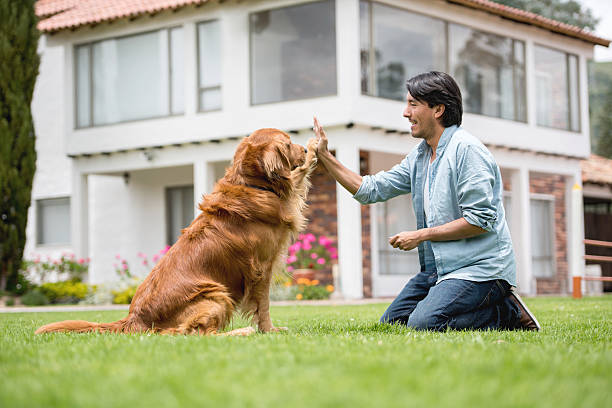
Training plays a major role in shaping a dog’s behavior and helping pets adapt to family life. Among the many training approaches available, positive reinforcement has become one of the most trusted and widely recommended methods for encouraging healthy behaviour in dogs.
Rather than relying on punishment or fear-based techniques, positive reinforcement focuses on rewarding desired actions. This method encourages dogs to repeat behaviours that lead to positive outcomes, creating a stronger relationship between dogs and owners.
For new and experienced owners alike, understanding how reward-based methods influence a dog’s behavior can lead to better communication, improved obedience, and long-term behavioural success.
Understanding Positive Reinforcement in Dog Training
Positive reinforcement is a training method that rewards a dog immediately after displaying a desired behaviour. The reward increases the likelihood that the dog will repeat the behaviour in the future.
Rewards may include:
- Treats
- Verbal praise
- Toys
- Affection
- Playtime
For example, if a dog sits calmly when asked and receives praise or a treat, the dog begins associating the command with a positive experience.
Positive reinforcement dog training focuses on guiding behaviour instead of punishing mistakes. This approach supports learning while reducing fear, stress, and confusion.
At OZ BORN Kennels, reward-based methods are often incorporated into obedience programs because they help build trust and consistency during training.
Why Positive Reinforcement Improves Dog’s Behavior
Dogs naturally repeat behaviours that lead to positive experiences. Reward-based learning takes advantage of this behavioural pattern in a safe and structured way.
Builds Trust Between Dogs and Owners
Dogs trained with positive reinforcement often develop stronger trust in their owners. Because training sessions remain encouraging and predictable, dogs feel more secure during learning.
Trust is important for:
- Recall training
- Socialisation
- Confidence building
- Reducing fearful reactions
A trusting relationship also improves communication during everyday situations.
Reduces Fear and Anxiety
Punishment-based methods may create confusion or stress, especially in sensitive dogs. Positive reinforcement focuses on rewarding success rather than correcting mistakes harshly.
This can help reduce:
- Fear-based aggression
- Nervousness around strangers
- Anxiety during training
- Defensive behaviours
Encourages Consistent Learning
Rewarding desired behaviour consistently helps dogs understand expectations more clearly. Over time, dogs begin responding reliably because they associate commands with positive outcomes.
The Science Behind Reward-Based Dog Training
Positive reinforcement is based on behavioural learning principles that explain how animals learn through consequences and repetition.
How Dogs Learn Through Association
Dogs learn by associating actions with results. If sitting calmly leads to praise or treats, the dog connects the behaviour with something rewarding.
This process strengthens learning over time through repetition.
Timing Matters
Timing is extremely important during positive reinforcement dog training. Rewards should be given immediately after the desired behaviour occurs.
Delayed rewards may confuse the dog because they may not understand which action earned the reward.
Motivation Encourages Better Responses
Different dogs respond to different motivators. Some dogs are highly food-motivated, while others prefer toys or affection.
Understanding what motivates a dog can improve training effectiveness significantly.
OZ BORN Kennels often recommends identifying high-value rewards early in training to maintain focus and engagement.
Common Behaviors Improved Through Positive Reinforcement
Positive reinforcement can be used to address a wide range of behavioural challenges while also teaching obedience skills.
Excessive Barking
Dogs may bark because of boredom, anxiety, excitement, or attention-seeking behaviour.
Rewarding calm behaviour instead of reacting to barking can help dogs learn alternative responses over time.
Jumping on Guests
Many dogs jump because they receive attention for doing so. Positive reinforcement teaches dogs that calm greetings lead to rewards while jumping does not.
Pulling on the Leash
Loose-leash walking improves when dogs are rewarded for staying close and walking calmly beside the owner.
Stopping movement when pulling occurs also teaches dogs that pulling does not achieve the desired outcome.
Aggression and Fear Responses
Some behavioural problems are rooted in fear or insecurity. Reward-based training can help dogs develop positive associations with previously stressful situations.
Professional guidance is often important for more serious behavioural concerns.
Recall Training
Teaching a reliable recall command is essential for safety. Positive reinforcement strengthens recall by rewarding dogs enthusiastically when they return after being called.
Types of Rewards Used in Positive Reinforcement
Different rewards may be used depending on the dog’s personality and motivation.
| Reward Type | Purpose | Best Used For |
|---|---|---|
| Treats | Immediate motivation | Basic obedience |
| Verbal Praise | Emotional encouragement | Daily reinforcement |
| Toys | Engagement and excitement | Active dogs |
| Play Sessions | Positive interaction | Recall and exercise |
| Physical Affection | Comfort and bonding | Calm behaviours |
Using a variety of rewards helps prevent dogs from losing interest during training.
Positive Reinforcement vs Punishment-Based Training
Understanding the difference between these approaches is important for long-term behavioural development.
Positive Reinforcement
- Encourages desired behaviour
- Builds trust and confidence
- Reduces fear during learning
- Strengthens owner-dog communication
Punishment-Based Training
- Focuses on correcting mistakes
- May create fear or stress
- Can damage trust
- May increase anxiety or defensive behaviour
Many trainers and behavioural professionals support positive reinforcement because it encourages learning without intimidation.
At OZ BORN Kennels, balanced and structured reward-based methods are often preferred to support safe behavioural development.
Mistakes to Avoid During Positive Reinforcement Training
Although positive reinforcement is highly effective, certain mistakes may reduce progress.
Inconsistent Rewards
Dogs learn best when rewards are predictable during the early training stages. Inconsistency may slow learning.
Rewarding Unwanted Behaviour
Owners sometimes unintentionally reward unwanted actions. For example, giving attention to barking may reinforce barking behaviour.
Delayed Reinforcement
Rewards should happen immediately after the correct behaviour to avoid confusion.
Expecting Immediate Results
Behavioural changes take time and repetition. Some dogs learn quickly while others require longer adjustment periods.
Overusing Treats Without Gradual Reduction
Treats are helpful during training, but dogs should gradually learn to respond to praise and commands without depending entirely on food rewards.
Sample Weekly Positive Reinforcement Training Schedule
A structured routine helps dogs learn more effectively.
| Day | Morning Session | Afternoon Session | Evening Session |
|---|---|---|---|
| Monday | Sit and Stay | Loose-leash walking | Calm behaviour rewards |
| Tuesday | Recall training | Socialisation practice | Review commands |
| Wednesday | Leave It command | Short obedience session | Play-based rewards |
| Thursday | Heel practice | Controlled greetings | Relaxation exercises |
| Friday | Recall games | Leash walking | Indoor behaviour practice |
| Saturday | Outdoor training | Social exposure | Reward reinforcement |
| Sunday | Light obedience review | Free play | Calm settling practice |
Short and regular sessions usually produce better results than long, repetitive sessions.
The Role of Consistency in Dog Training
Consistency is one of the most important factors influencing a dog’s behavior. Dogs learn through routine and repetition, so mixed signals can create confusion.
Examples of consistency include:
- Using the same command words
- Following the same household rules
- Rewarding behaviours consistently
- Maintaining regular training schedules
When all family members follow the same expectations, dogs adapt more quickly to training.
How Positive Reinforcement Supports Socialisation
Socialisation helps dogs feel comfortable around people, environments, and other animals. Positive reinforcement makes these experiences safer and more enjoyable.
For example:
- Rewarding calm behaviour around strangers
- Encouraging relaxed interactions with other dogs
- Reinforcing confidence in unfamiliar environments
Positive social experiences can reduce anxiety and help improve overall dog’s behavior in public settings.
How Professional Trainers Use Positive Reinforcement
Professional trainers often use structured reward systems to guide behavioural development.
Training programs may include:
- Basic obedience
- Behaviour modification
- Leash manners
- Socialisation exercises
- Confidence-building activities
Professional support can be especially helpful for dogs experiencing fear, aggression, or severe anxiety.
At OZ BORN Kennels, structured dog obedience training programs are designed to encourage communication, consistency, and behavioural improvement through reward-based methods.
Conclusion
Positive reinforcement has changed the way many owners approach dog training and behavioural development. By rewarding desired actions instead of focusing on punishment, owners can help dogs learn in a calm and supportive environment.
This training method supports trust, consistency, confidence, and long-term behavioural success. Whether teaching basic obedience or addressing unwanted habits, reward-based learning encourages dogs to develop healthy responses through repetition and positive experiences.
OZ BORN Kennels recognises the importance of structured and responsible training methods that support both dogs and owners throughout the learning process.
To learn more about training approaches and behavioural guidance, visit OZ BORN Kennels or contact us for additional information.
FAQs
Is positive reinforcement effective for all dogs?
Yes. Most dogs respond well to reward-based learning because it encourages motivation and trust during training.
How long does positive reinforcement training take?
Training timelines vary depending on the dog’s age, temperament, consistency, and behavioural goals.
Can older dogs learn through positive reinforcement?
Yes. Adult dogs can successfully learn new behaviours and commands through consistent reward-based training.
Are treats always necessary during training?
Treats are useful during early stages, but praise, toys, and affection can also serve as effective rewards.
What should I do if my dog ignores rewards?
Try identifying higher-value motivators such as favourite treats, toys, or activities that better capture your dog’s attention.