
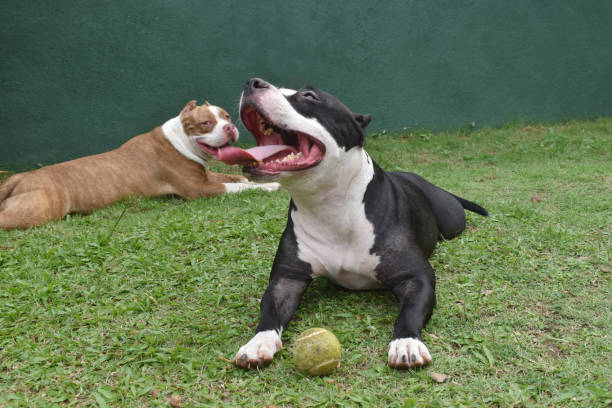
Ethical breeding practices are essential for maintaining the long-term health, temperament, and quality of the American Bully. Responsible breeders focus not only on appearance but also on genetic stability, disease prevention, and overall well-being.
This guide explores the role of health testing and genetics in ethical bully breeding, offering insights for anyone interested in becoming an american bully breeder or understanding responsible breeding practices. By prioritizing science-based decisions, breeders can contribute to healthier generations and improved breed standards.
What is Ethical Bully Breeding
Ethical bully breeding refers to the practice of breeding dogs with a strong focus on health, temperament, and genetic integrity. It avoids prioritizing exaggerated physical traits that may compromise the dog’s quality of life.
A responsible american bully breeder ensures that all breeding decisions are made based on:
- Health testing results
- Genetic compatibility
- Stable temperament
- Long-term breed improvement
Breeders such as OZ BORN Kennels emphasize responsible practices that align with these principles, ensuring the well-being of both parent dogs and puppies.
Role of Genetics in Bully Breeding
Understanding genetics is fundamental to ethical breeding. Each dog inherits traits from its parents, including physical features, temperament, and potential health risks.
Basic Genetic Principles
Genes are passed down in pairs, and certain traits may be:
- Dominant
- Recessive
- Polygenic
Breeders must understand how these traits interact to avoid passing on harmful genetic conditions.
Trait Inheritance
Key traits influenced by genetics include:
- Muscle structure
- Coat color
- Bone density
- Behavioral tendencies
Careful pairing helps maintain consistency while reducing the likelihood of inherited disorders.
Essential Health Testing for American Bullies
Health testing is a cornerstone of ethical bully breeding. It helps identify potential genetic issues before breeding decisions are made.
Common Health Tests
| Test Type | Purpose | Importance |
| Hip Evaluation | Detects hip dysplasia | High |
| Cardiac Screening | Identifies heart conditions | High |
| DNA Testing | Detects genetic disorders | High |
| Skin Evaluation | Checks for allergies | Medium |
| Eye Examination | Screens vision-related issues | Medium |
These tests ensure that only healthy dogs are selected for breeding programs.
Why Testing Matters
Without proper testing, breeders risk:
- Passing on hereditary diseases
- Increasing veterinary costs for owners
- Reducing overall breed quality
OZ BORN Kennels follows structured health screening protocols to support responsible breeding outcomes.
Common Genetic Conditions
Despite careful breeding, some genetic conditions may still occur. Awareness helps in prevention and early intervention.
Frequently Observed Conditions
- Hip dysplasia
- Elbow dysplasia
- Skin allergies
- Congenital heart disease
Prevention Strategies
Ethical breeders reduce risks by:
- Conducting pre-breeding health tests
- Avoiding closely related pairings
- Monitoring offspring health
A knowledgeable american bully breeder uses data and testing to minimize these risks.
Breeding Selection Criteria
Selecting the right parent dogs is one of the most important decisions in ethical breeding.
Evaluating Parent Dogs
Breeders assess:
- Physical structure
- Movement and posture
- Health history
- Genetic test results
Temperament Assessment
Temperament is equally important. Ideal American Bullies should be:
- Stable and calm
- Friendly and sociable
- Confident but not aggressive
OZ BORN Kennels incorporates both physical and behavioral evaluations when selecting breeding pairs.
Importance of Pedigree Analysis
Pedigree analysis helps breeders understand a dog’s lineage and genetic background.
Benefits of Pedigree Tracking
- Identifies inherited traits
- Helps avoid inbreeding
- Maintains genetic diversity
Avoiding Inbreeding
Inbreeding increases the likelihood of genetic disorders. Ethical breeders carefully plan pairings to maintain a healthy gene pool.
A responsible american bully breeder uses pedigree data as a key decision-making tool.
Ethical Responsibilities of Breeders
Ethical breeding goes beyond producing puppies. It involves long-term commitment and accountability.
Key Responsibilities
- Providing accurate health records
- Ensuring proper living conditions
- Educating buyers about care
- Offering ongoing support
Breeders like OZ BORN Kennels aim to maintain transparency and prioritize animal welfare.
Raising Healthy Litters
The care provided during early development significantly impacts a puppy’s future health and behavior.
Early Development Stages
Puppies require:
- Proper nutrition
- Clean environment
- Early socialization
Environmental Influence
A positive environment helps develop:
- Confidence
- Adaptability
- Social skills
Ethical breeders ensure puppies are exposed to safe and stimulating surroundings.
Choosing a Responsible Breeder
For buyers, selecting the right breeder is crucial.
What to Look For
- Verified health testing
- Transparent communication
- Ethical breeding practices
Questions to Ask
- Are health records available
- What genetic tests are conducted
- How are puppies socialized
OZ BORN Kennels provides insights into responsible breeding practices, helping buyers make informed decisions.
Conclusion
Health testing and genetics play a vital role in ethical bully breeding. By prioritizing scientific knowledge, responsible selection, and proper care, breeders can improve the quality and well-being of the American Bully breed.
Whether you are planning to become an american bully breeder or looking to understand responsible practices, focusing on health and genetics is essential. Breeders like OZ BORN Kennels demonstrate the importance of ethical standards and long-term commitment to the breed.
If you want to learn more about ethical breeding or responsible ownership, explore trusted resources and contact us for further guidance.
FAQ Section
1. Why is health testing important in bully breeding
Health testing helps identify genetic issues before breeding, reducing the risk of passing diseases to puppies.
2. What makes a breeder ethical
An ethical breeder prioritizes health, temperament, and transparency rather than focusing only on appearance or profit.
3. Can genetic diseases be completely avoided
While not all conditions can be eliminated, proper testing and selection significantly reduce risks.
4. How do I verify a breeder’s credibility
Ask for health records, visit the facility if possible, and ensure the breeder follows responsible practices.
5. What role does genetics play in temperament
Genetics influence behavior, but proper training and environment also play a significant role in shaping temperament.